

The Future Is Vertical: The Revolution of Micro-Dramas and Mobile-First Cinema

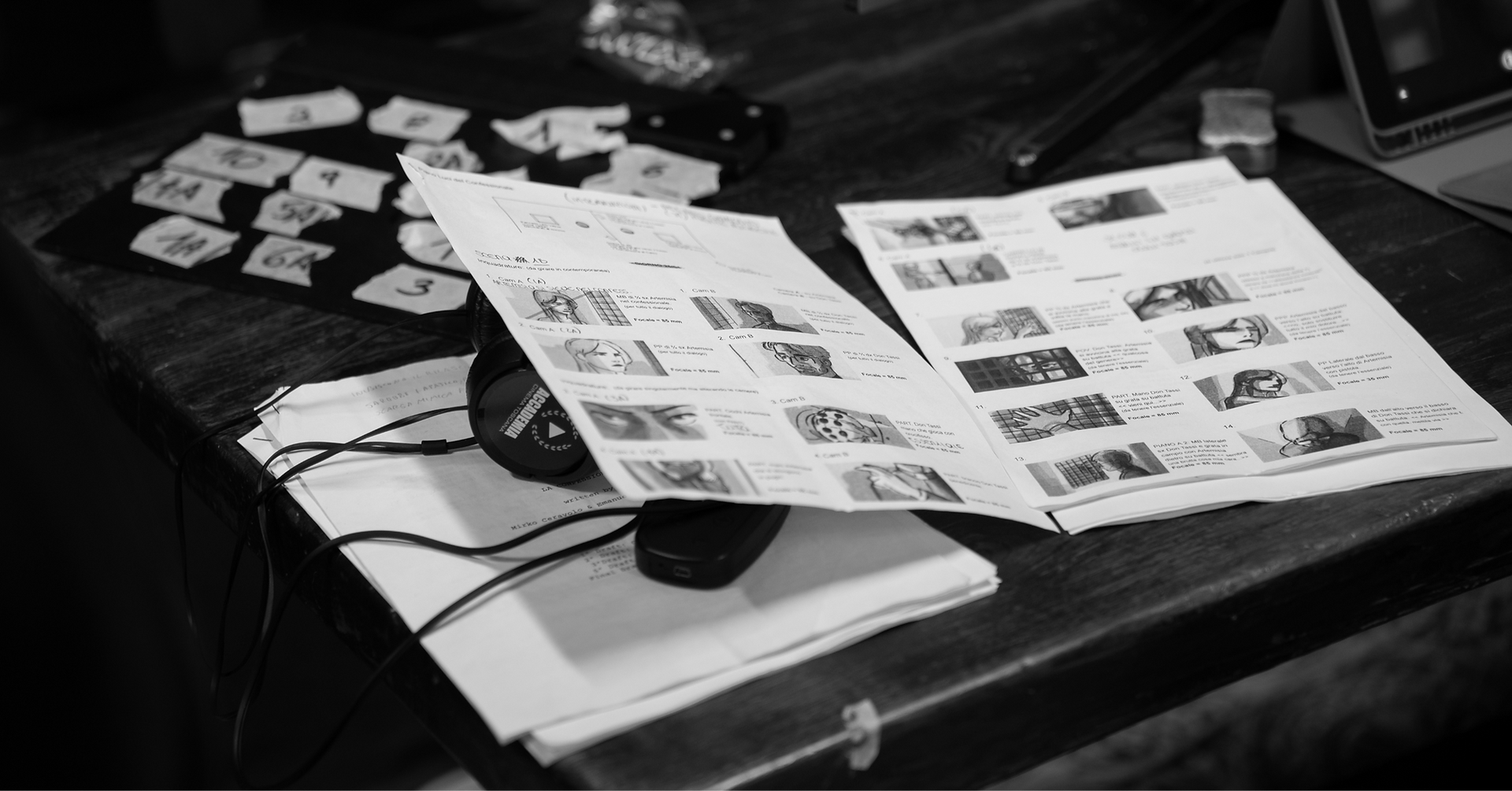
In November 2025, I found myself on a decidedly unusual Italian set: not just any set, but the first in Italy dedicated to the making of a film entirely in vertical format . We're in Lucca, the creative heart of so many experiments, and here they're shooting a work designed for screens we all know well: those of smartphones.
But what does "vertical film" mean? It means abandoning the classic 16:9 horizontal aspect ratio that cinema and television have accustomed us to, and adopting a 9:16 aspect ratio , the same one that dominates everyday apps like Instagram Stories, TikTok, and YouTube Shorts. And it's not just a fad: it's a revolution.
The phenomenon began in China between 2018 and 2019 , with the first vertical series designed for mobile consumption. This is where the concept of micro-drama emerged : short narrative episodes designed for a vertical screen. The decisive push came during the pandemic lockdowns, when mobile entertainment became essential and vertical cinema exploded , surpassing traditional box office revenue in China in 2024.
The reason for this choice is far from random: our usual posture with a smartphone favors a vertical hold, while the horizontal format tires the wrist. Vertical productions are based on in-depth studies of human behavior , integrating engagement techniques typical of gaming and the psychology of addiction . Nothing is left to chance.
Over time, these productions have evolved from amateur beginnings to projects with high artistic and technical standards , capable of attracting professional screenwriters, directors, and actors. American production companies , such as Holywater – originally born in the world of audiobooks – have grasped the potential of this format, investing in the creation of "premium" vertical content.
The production model is astonishing: 85–100-page scripts , shot in just 8–10 days, for series with a total runtime of 60–90 minutes, divided into very short episodes of 30, 60, or 90 seconds . Each micro-episode ends with a twist: high-tension cliffhangers designed to generate a sort of narrative addiction—one after the other, like potato chips. The first block is offered for free, then comes a paywall , which unlocks subsequent episodes only through subscription or purchase.
The content? Absurd, exaggerated, irresistible. Vampires, billionaires, love triangles, werewolves, revenge, and metamorphoses. Everything is designed to be a continuous "spectacle." It's the narrative equivalent of a car accident: you can't help but watch .
The actors are perfect: models between 20 and 26 years old , modern incarnations of powerful stereotypes. The good girl has blue eyes, the bad girl is brunette and sensual. The visual language is direct, very simple, hyper-emotional. It doesn't seek subtlety: it seeks immediate impact. All this has piqued the interest of big capital. Platforms like My-Drama.com , with over 55 million downloads , raised over $22 million in investments in 2025 , with the aim of creating a true "vertical Netflix" , designed from the start for a mobile-first audience.
The result is clear: Hollywood is looking vertically . And even in Italy – starting with Lucca – some have already begun to shift the direction of their stories.


Comments